Spectral Labs releases SGS-1: the first generative model for structured CAD
Introducing SGS-1, a foundation model for generating parametric 3D CAD geometry from images or text.
Insights from People’s discussions:
- Criticism of Current Output Quality: Users report significant inaccuracies and unmanufacturable results from SGS-1’s STEP file output, making it unusable without extensive manual correction.
- Defense of Parametric Generation Claims: The company defends its approach by explaining its internal parametric representation and promises future features like feature trees, positioning the tool as an advancement despite acknowledged limitations.
- Skepticism About AI Solving Core Design Problems: Users express doubt that current AI tools can genuinely solve fundamental design challenges, citing poor handling of constraints, difficulty translating complex requirements, and concerns about exaggerated claims primarily benefiting investors.
-
zoxide, a smarter command-line utility for directory navigation that enhances all major shells with features like fuzzy searching and intelligent ranking.

Insights from People’s discussions:
- Strong Appreciation for Functionality and Performance: Users praise
zoxide‘s fuzzy directory searching, speed, frequency-based prioritization, and overall utility for saving time, describing its impact on daily workflows as positive. (Sentiment: Positive) - Concerns about Documentation and Workflow Changes: Some users express dissatisfaction or note the need for better documentation and acknowledge the workflow adjustments required to adopt
zoxide. (Sentiment: Negative/Mixed) - Comparisons with Alternatives and Adoption Reasons: Users frequently compare
zoxidewith tools likeautojump,z, andNavita, often highlighting its faster execution, Rust implementation, ease of migration (including data import), and positive creator recommendation as key reasons for switching. (Sentiment: Positive (in comparison context))
- Strong Appreciation for Functionality and Performance: Users praise
The health benefits of sunlight may outweigh the risk of skin cancer
An article discussing the potential health benefits of sunlight, including improved heart and immune function, while acknowledging the risk of skin cancer.
Insights from People’s discussions:
- Promoting Moderate Sun Exposure: Argues for the health benefits of sunlight (vitamin D, eye health, nitric oxide, evolutionary adaptation) and suggests controlled, gradual exposure is safe and beneficial, sometimes questioning the emphasis on sunscreen. (Sentiment: Positive/Supportive towards moderate sun exposure)
- Highlighting Risks and Caution: Focuses on the dangers of excessive sun exposure (skin cancer, cataracts, premature aging, retinal damage) and emphasizes the importance of protection (sunscreen, shade), often citing studies or personal experiences with negative outcomes. (Sentiment: Negative/Concerned about excessive exposure)
- Evolutionary Perspective: Frames skin response and cancer risk variations (e.g., fair vs. dark skin) in terms of evolutionary adaptation, suggesting traits evolved for survival in specific environments, but cautions against assuming these are necessarily beneficial for modern humans. (Sentiment: Neutral/Analytical)
- Indoor Alternatives: Proposes using artificial light sources (tanning beds, specific LEDs) to replicate some benefits of sunlight (vitamin D, nitric oxide) indoors, often as a safer alternative for those who cannot or should not get direct sun exposure. (Sentiment: Neutral/Problem-Solving)
- Balanced Approach: Acknowledges both benefits and risks but advocates for a middle ground, such as gradual exposure, limiting time during peak hours, using sunscreen selectively, and emphasizing early detection for skin issues. (Sentiment: Neutral/Balanced)
-
An account of designing NotebookLM that’s a new AI product’s user experience, interface, and brand identity from inception to launch.
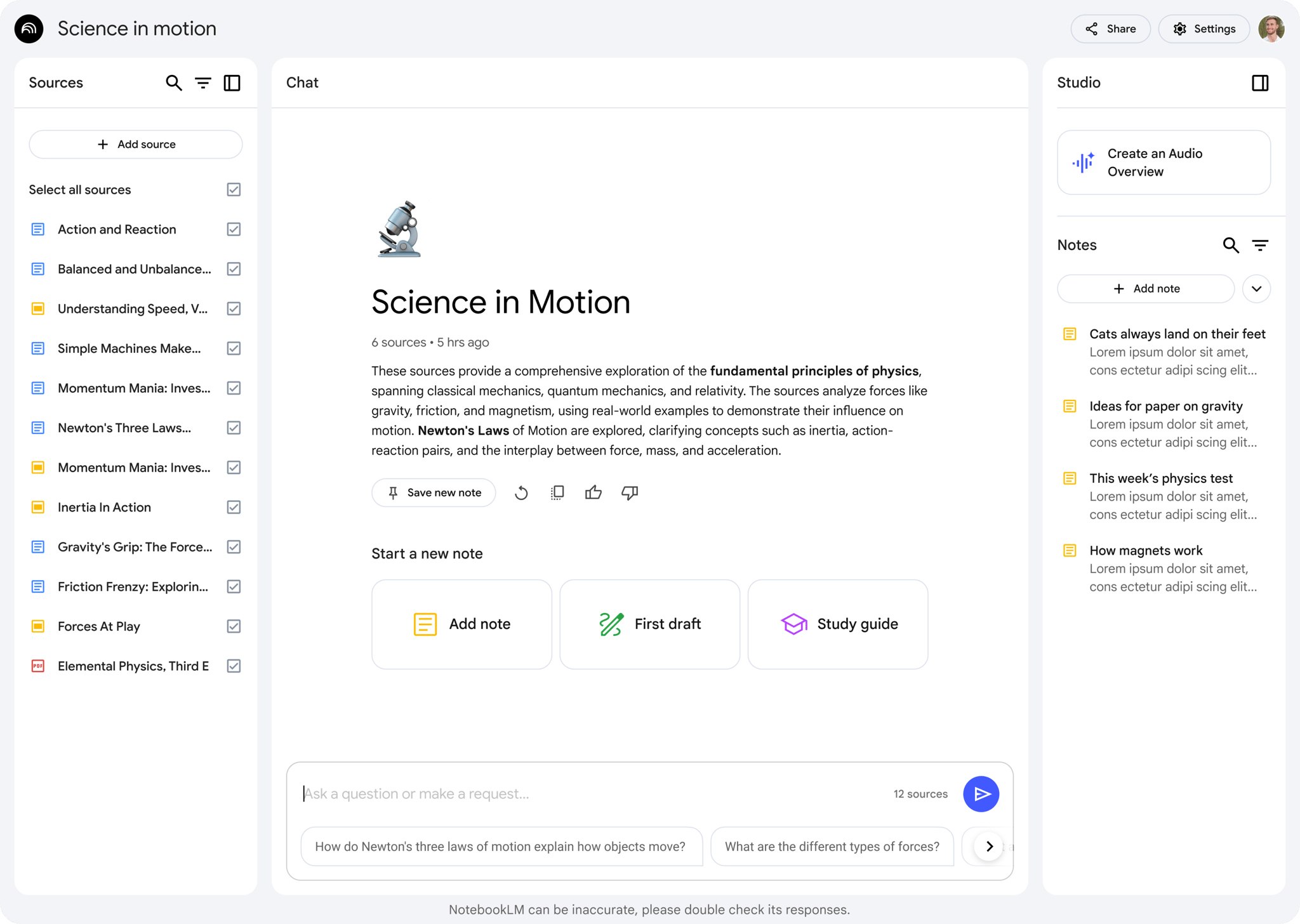
- Appreciation for Functionality & Unique Features: Users value NotebookLM’s document research, summarization, synthesis capabilities, audio overviews, podcast integration, and mind maps, finding them useful for learning and specific tasks. (Sentiment: Positive)
- Criticism of User Experience & Design: Users find the interface overly complex, information-dense, difficult to navigate, and lacking basic editing features, questioning its engineering quality. (Sentiment: Negative)
- Comparative Limitations: Users note NotebookLM’s limitations compared to other AI tools available. (Sentiment: Negative)
- Questions about Credit & Data Privacy: Users question whether underlying research teams receive proper credit and express concerns about data privacy. (Sentiment: Negative)
Privacy and Security Risks in the eSIM Ecosystem [pdf]
This paper presents an analysis of privacy and security risks in the eSIM ecosystem, including data routing through third-party networks, reseller access to user data, proactive communication, and profile management vulnerabilities.

Insights from People’s discussions:
- eSIM Convenience vs. Privacy/Control Concerns: The viewpoint highlights the benefits of eSIMs (convenience, competition) but strongly emphasizes worries about data tracking by carriers and governments, potential control by third-party eSIM services, and the risk of vendor lock-in compared to physical SIMs. (Sentiment: Mixed/Negative leaning)
- Frustration with Hacker News Moderation/Usability: This viewpoint focuses on user experiences with Hacker News, specifically complaints about comments appearing dead or unverified, platform usability issues, and a perceived decline in the site’s utility or community standards. (Sentiment: Negative)
- Mobile Security, Routing, and Network Performance: This viewpoint discusses practical experiences and technical details regarding mobile roaming (e.g., unexpected routing via Hong Kong), carrier restrictions (like Chinese carriers blocking foreign eSIM activation), the quality and security of eSIM providers, and the effectiveness of various solutions (VPNs, DoH, Tor) for addressing network performance (latency) and privacy, acknowledging both theoretical limitations and practical challenges. (Sentiment: Mixed)